Categories
Garage Door Installation & Replacement

What Makes a Good Garage Door Installation Service?

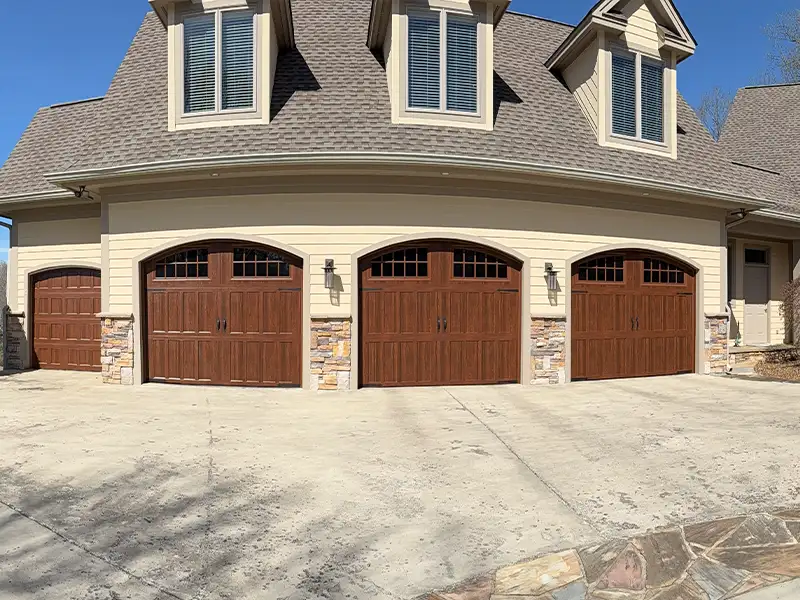
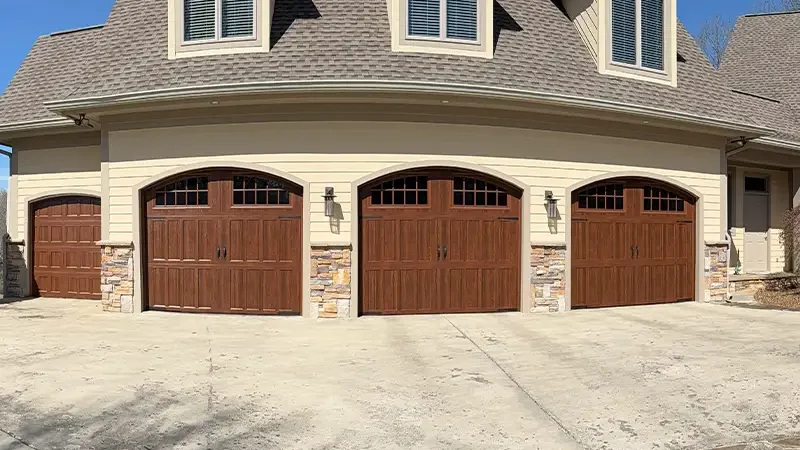
A new garage door is one of the larger investments a homeowner makes in their property, and most people spend a significant amount of time choosing the door itself. The style, the material, the color, whether it should be insulated. What doesn’t get nearly enough attention is the quality of the garage door installation service putting that door in. The door is only as good as the install behind it, and an installation done without proper spring calibration, track alignment, and final safety testing will start showing problems within months, sometimes sooner. This guide covers what separates a quality garage door installation service from one that looks the same on quote day but tells a very different story six months later.

One situation that comes up in this work makes the point clearly. A homeowner calls because the opener is straining on a door installed less than a year ago. On inspection, the spring tension was set to the door’s rated specification rather than its actual measured weight. With an insulated door, the foam core adds mass that frequently pushes the door above the manufacturer’s listed spec. If the installer doesn’t account for that, the springs are under-tensioned from day one, the opener quietly compensates, and wears sets in long before its time. The door looked fine. It just wasn’t installed right.


The Door Is Only as Good as the Install Behind It

Most homeowners assume that once a door is hanging and moving, the job is done. What they don’t see is how much the quality of the underlying work determines how the door performs over the next ten to fifteen years. A garage door system is a counterbalance mechanism at its core. The torsion spring, mounted horizontally on a steel shaft above the door opening, stores mechanical energy when wound and releases it as the door lifts, offsetting the door’s weight so the opener only has to move a fraction of it. When spring tension isn’t calibrated to the door’s actual weight, every cycle puts stress on components that were never designed to carry that load.

The balance test is the most reliable confirmation that an installation was done correctly. With the opener disconnected from the door, it should be lifted manually to the midpoint of the opening and released. A properly balanced door holds its position. One that drifts down is under-tensioned. One that shoots upward is over-tensioned. Both conditions strain the opener, accelerate cable and roller wear, and create a safety risk over time. A garage door installation service worth hiring runs this test before the crew leaves, every time.


What a Complete Installation Actually Covers

A thorough garage door installation service covers considerably more than attaching panels to a frame. It starts before the first panel goes up, with a proper measurement of the opening, a check of the header clearance between the top of the opening and the ceiling, and a confirmation that the framing is structurally sound enough to carry the door’s weight. Those pre-installation checks prevent problems that surface after the door is already in.

From there, a complete install includes setting the vertical and horizontal tracks at the correct angle and pitch, installing torsion springs sized and tensioned to the door’s actual weight, running the cables onto the drums evenly, and fitting the rollers. Roller selection matters more than most homeowners realize. Nylon rollers run significantly quieter than steel, resist corrosion without lubrication, and hold up better under daily cycling. On a new garage door installation starting from scratch, choosing the right roller at install time pays off in years of quieter, lower-maintenance operation.

Once the door is balanced, the opener gets calibrated. Force and travel settings are adjusted to match the door’s weight and height so the motor isn’t working against itself. The safety reversal is then tested by placing an object in the door’s path and confirming it reverses on contact. Residential garage door systems are required to meet UL 325, the safety standard established by Underwriters Laboratories, which includes this auto-reverse requirement. A properly installed system passes this test before the installer wraps up.


The Difference Between a Good and Bad Installation on Day One

What distinguishes a quality garage door installation service often shows up in details that have nothing to do with the technical work. How the crew handles the job site. Whether they remove the old door and haul it away or leave it stacked in the corner. Whether they clean up hardware scraps and packaging before they leave. Whether they walk the homeowner through the new system or disappear as soon as the door closes.

These things matter because they signal how the company truly operates when no one is grading them. The crews that clean up a site and explain the new system are the same ones that answer the phone when something needs attention months later. A situation we encounter involves homeowners whose door was installed by another company that sourced the wrong panels or mismatched the finish. When the issue came up, the original installer was unreachable. Sourcing the right materials, communicating the timeline, and returning to finish the job correctly is not something every company is willing to do. The ones that are willing tend to operate that way from the start.


How to Evaluate a Garage Door Installation Service Before Booking

Before booking any garage door installation service, a few specific questions separate the companies worth hiring from the ones worth skipping. The first is whether old door removal and disposal is included in the quote. A complete installation price should cover the full scope of the job. If removal isn’t included, that’s worth clarifying before any agreement is signed.

The second is about licensing and bonding. A licensed and bonded installer has met the state’s requirements to perform this work and carries financial coverage in case something goes wrong on the job. At Proffitt’s Garage Doors, the team is licensed and bonded in Tennessee, holds LiftMaster certification, and brings about eight years of hands-on garage door experience to every install across Middle Tennessee. LiftMaster certification connects directly to UL 325 compliance, meaning the systems we install are set up to meet the safety standard that governs residential and commercial door operators.

The third question is about the workmanship warranty. A one-year workmanship warranty with manufacturer coverage layered on top is a reasonable baseline to expect from any professional garage door installation service. Ask specifically what it covers and what the process is if something needs attention after the job. A company that answers that question clearly and confidently is one that expects to be accountable for its work.

The fourth is whether spring tension will be calibrated to the actual door weight. A company that measures and adjusts based on real weight rather than the spec sheet is doing the job correctly. One that doesn’t understand the question is a flag worth taking seriously.


What Happens After the Install Matters Just as Much

A garage door installation service doesn’t end when the crew drives away. The follow-through after the job is often where the real difference between companies becomes clear. A quality installation includes a walkthrough with the homeowner before leaving. That means showing how to use the manual release in case of a power outage, explaining the basic maintenance the door needs to stay in good shape between service visits, and confirming that the remotes, wall controls, and any smart home integrations are all working correctly.

It also means being reachable after the job is done. Proffitt’s Garage Doors backs every installation with a one-year workmanship warranty plus the manufacturer warranties that come with the door and opener. That’s not just a policy. It’s a commitment to stand behind the work when something comes up, and something occasionally does even on a well-executed install. A panel that settles after the first hard winter, an opener setting that needs a small adjustment once the door has cycled through a few weeks of real use. These are the moments that reveal whether a garage door installation service is genuinely invested in the outcome or just in completing the job and moving on. A company that picks up the phone, schedules a return visit, and addresses the issue without making the homeowner feel like a burden is one worth calling again when the next project comes up.


Ready for Hands-On Garage Door Installation Help?

A garage door installation done right is one you don’t have to think about for years. The door moves smoothly, the opener runs quietly, and the system holds up through daily use without the kind of premature wear that signals a job that was rushed or cut short. 

Proffitt’s Garage Doors is a locally owned, family-run team serving Beechgrove and nearby communities across Middle Tennessee, licensed and bonded in Tennessee, LiftMaster certified, and backed by about eight years of hands-on experience in this trade. If you’re planning a new garage door installation, reach out to Proffitt’s Garage Doors and let’s make sure it’s done right the first time.
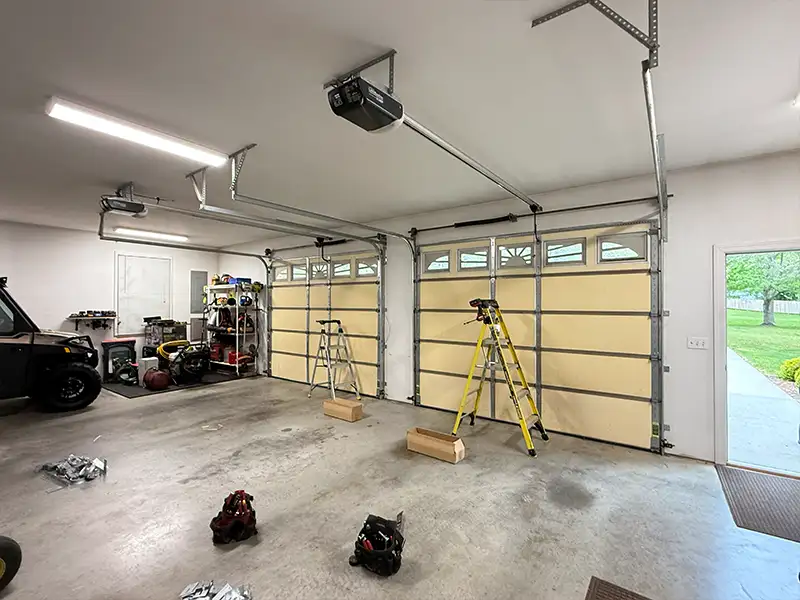
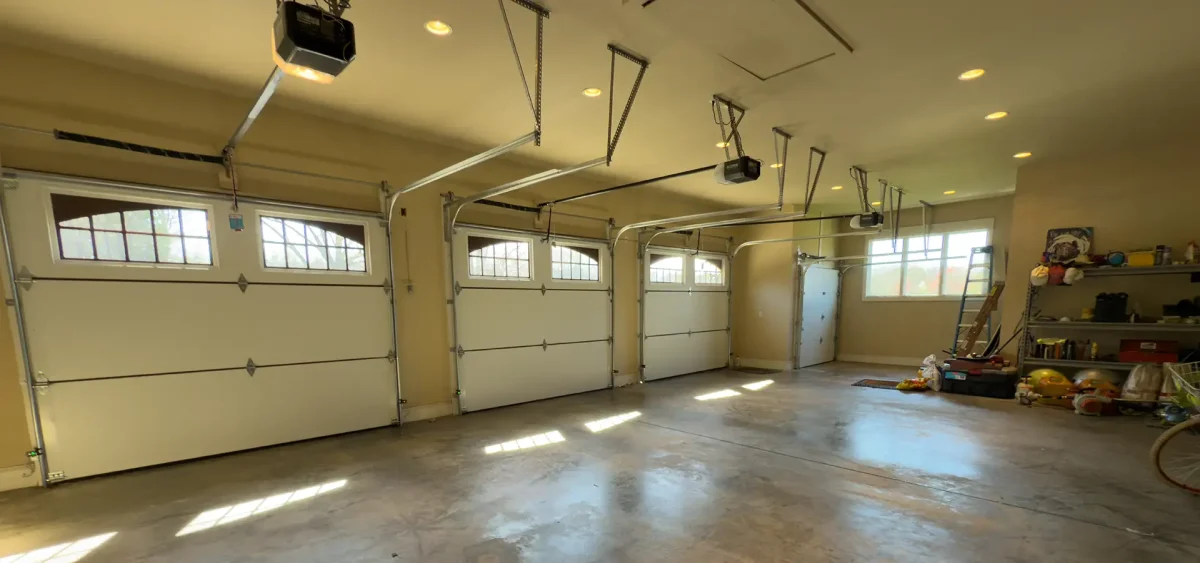
Categories
Garage Door Maintenance & Homeowner Tips

How Do I Pick the Right Local Garage Door Repair Shop?

Most homeowners don’t think about who they’re going to call for garage door repair until the door stops working. Then the search happens fast, usually from a phone while standing in the driveway. A quick search pulls up several companies, a few calls get made, and the first one that answers gets the job. That’s how a lot of people end up waiting a week for an appointment that never happens, or paying for a repair that doesn’t fix the real problem. Choosing the right local garage door repair shop takes more than picking whoever answers first. Knowing what to look for before you book can save you serious time, money, and frustration, and this guide walks through exactly how to make that call.

One situation we encounter regularly tells the story well. A homeowner calls after already scheduling with another company a week earlier. The appointment came and went with no call, no show. By the time they reach us, the car is stuck inside and the door is sitting at an odd angle. We get on-site, complete the repair the same day, and the homeowner is left wondering why they didn’t make this call first. That gap between what people expect from a garage door repair service and what they actually get is exactly what this guide is designed to help close.


Why Going Local Matters More Than You Think

There’s a real difference between calling a local garage door repair team and calling a national dispatch service that routes your job to whoever happens to be available. Local companies have a reputation to protect in the community they live and work in. They’re not rotating technicians through zip codes. They’re the same team that fixed your neighbor’s door last spring, and their name is attached to every job they leave behind.

From a practical standpoint, local teams respond faster. On many service calls, the window between the first phone call and a technician showing up is under an hour. That’s not something a national brand routed through a call center can consistently deliver. When a door fails mid-week and a car is stuck inside, that window matters. Local teams also carry accountability in a way larger operations don’t. If something needs attention after the job, a local crew is a short drive away, not a ticket in a queue.


Check Their Credentials Before You Call

Not every company in a search result is operating with proper credentials, and in garage door repair, that gap matters. The work involves load-bearing components under significant tension, electrical systems, and hardware that directly affects the safety of everyone using the garage. A licensed and bonded company gives the homeowner a layer of protection an unlicensed crew can’t provide.

Licensing means the company has met state requirements to legally perform this type of work. Bonding means financial coverage is in place if something goes wrong on the job. These aren’t formalities. They’re the baseline that separates a professional operation from someone working out of a pickup truck with no accountability.

Beyond state licensing, manufacturer certifications carry real weight. A LiftMaster certified installer has completed training specific to those systems, which means installations, repairs, and adjustments are done to the manufacturer’s standard rather than improvised in the field. LiftMaster products are engineered and tested to meet UL 325, the safety standard for door operators established by Underwriters Laboratories, and certified installers are trained to set up those systems in a way that keeps that standard intact after installation.

At Proffitt’s Garage Doors, the team is licensed and bonded in Tennessee and holds LiftMaster certification, backed by about eight years of hands-on garage door experience across Middle Tennessee. That combination of state credentials and manufacturer training is what a homeowner should be looking for before anyone touches their door.

One more point on credentials: spring and cable work are not DIY-friendly tasks. Torsion springs are mounted horizontally above the door opening on a steel shaft and store significant mechanical energy when wound. A standard double garage door weighs between 150 and 200 pounds, and the spring system counterbalances that weight so the opener only manages a fraction of it. When a torsion spring is under tension and the winding cone slips during adjustment, the release of stored energy happens instantly. This requires the right tools and training, not just confidence. A credentialed team understands this. An uncredentialed one may not.


Ask the Right Questions Before Booking

Before scheduling any garage door repair service, a few direct questions reveal a lot about who you’re dealing with.

The first is about warranty. Ask what the workmanship warranty covers and for how long. A company that stands behind its work has a clear answer. One that hedges with something like “we make sure our customers are happy” is telling you something. A real warranty has a timeframe and a scope. A one-year workmanship warranty with manufacturer coverage layered on top is a reasonable standard to look for. At Proffitt’s Garage Doors, that’s what every install includes, and if something comes up after the work is done, we come back out and fix it.

The second question is about the diagnostic approach. Ask whether the technician will inspect the full system or only address the obvious issue. A door that’s making noise might have a worn roller, but it might also have a spring three months from snapping and a cable starting to fray at the drum. A team that fixes the roller and leaves without checking the rest is setting up a callback. A pattern we see on service calls is a door repaired by another company two or three times in the same year because the root cause was never properly diagnosed. The visible problem gets patched, the underlying tension issue gets ignored, and the homeowner pays again six months later.

The third is about communication. Ask how the company handles quoting and scheduling. A professional team gives a clear time estimate, explains what the job involves before starting, and confirms the cost before work begins. Same-day quoting and transparent pricing are what a good local garage door repair team delivers as standard practice, not something to ask for twice.


Red Flags to Watch For When Comparing Companies

A few patterns show up consistently when a garage door repair service isn’t operating the way it should.

The first red flag is a company that can’t confirm licensing or bonding when asked directly. A legitimate operation has this information available immediately. Hesitation on that question is worth taking seriously.

The second is vague warranty language. If a company can’t tell you how long their workmanship coverage lasts and what it includes, it isn’t worth relying on. General statements about standing behind work aren’t the same as a documented commitment.

The third is a pattern we’ve seen repeatedly: companies that show up quickly for the initial call but become unreachable when something needs attention afterward. Follow-through after the job reveals more about a company than the day-of performance. A team that answers consistently and shows up when promised is not as common as it should be.

The fourth is pressure to approve additional work without a clear explanation. A trustworthy garage door repair service explains what the door needs, walks you through the reason, and lets you make the call.


What the Right Local Garage Door Repair Team Looks Like

When a local garage door repair team is operating correctly, the experience is straightforward from start to finish. They respond quickly, give a clear estimate before starting, explain the issue plainly, and inspect the full system rather than just the visible problem.

The small things matter too. Arriving on time, calling ahead when there’s a change, cleaning up before leaving, and walking the homeowner through what was done. These separate a company that does good work from one that earns a repeat customer.

When the job is a torsion spring replacement, springs get replaced in matched pairs to keep the door balanced on both sides. When it’s a cable repair, the drums and spring tension get checked before the job is finished. When it’s an opener installed, force and travel settings get adjusted to the door’s specific weight and the safety reversal gets tested. That’s what a thorough job looks like.


Ready for Hands-On Garage Door Help?

Finding the right local garage door repair team doesn’t have to be complicated. Look for a company that’s licensed, bonded, and certified by the manufacturers whose products they install. Ask about the warranty before booking. Pay attention to how clearly they communicate and whether they show up when they say they will. Those three things filter out most of the companies worth avoiding.

Proffitt’s Garage Doors is a locally owned, family-run team serving Beechgrove and nearby communities across Middle Tennessee. Licensed and bonded in Tennessee and LiftMaster certified, the team brings real hands-on workmanship and straight communication to every job. Contact Proffitt’s Garage Doors whenever you’re ready to get started.

Categories
Garage Door Installation & Replacement

How Do I Plan for New Garage Door Installation?

A new garage door is one of the bigger investments a homeowner makes, both for the look of the home and for everyday function. It affects curb appeal, security, energy efficiency, and how easy your morning routine feels every time you head out the door. Because it touches so many parts of daily life, a new garage door installation is the kind of project that pays off when you take a little time to plan ahead. Rushing into the purchase or skipping the prep work often leads to surprises, missed details, or a door that doesn’t quite fit your home the way you imagined. This guide walks through how to plan for a new garage door installation the right way, from understanding why planning matters to choosing the right style, budgeting realistically, and picking the local installer who will actually stand behind the work.


Why Planning Matters Before You Start Shopping

It’s tempting to jump straight into picking out a new garage door once you decide it’s time for an upgrade. The problem is that without a clear plan, most homeowners end up making decisions on the fly, missing key details, or paying more than they needed to. A little planning up front leads to a smoother project, better choices, and a final result that actually fits your home and lifestyle.

Planning a new garage door installation helps in several ways. It gives you time to think through style, material, and insulation choices instead of being pressured at a showroom or by an aggressive salesperson. It also helps you build a realistic budget, compare quotes from different installers, and avoid delays caused by missing measurements or last-minute decisions. A clear plan makes the entire conversation with a garage door installation service faster and more productive, since the installer can immediately understand what you’re working with and what you actually want. The end result is fewer surprises, better workmanship, and a door that genuinely improves your home rather than just replacing the old one.


Measure Your Opening and Note the Existing Setup

The first practical step in planning a new garage door installation is getting a good understanding of what you’re working with. You don’t need to be precise to the millimeter, but having rough measurements and notes about your current setup makes early conversations with an installer much easier.

Start by measuring the width and height of the door opening, the distance from the top of the opening to the ceiling, and the space on either side of the opening. These numbers help confirm what size door fits and what kind of track system will work in the available space. Standard sizes cover most homes, but unique builds or older properties sometimes need a custom approach. Take a quick look at the inside of the garage too. Note whether you have a torsion spring system or an extension spring system, the type of opener installed, the condition of the existing tracks, and whether there’s anything in the way of the springs above the door.

If you can, take a few photos of the opening from inside and outside. Having pictures ready when you reach out to a garage door installation service helps the installer give you a more accurate sense of what’s possible, what’s involved, and what to expect from your new garage door installation.


Choose the Right Garage Door Style, Material, and Insulation

Once you have a feel for your opening and existing setup, the next planning step is the fun part: choosing the door itself. The style, material, and insulation all play a major role in how the new garage door installation looks, performs, and holds up over time.

Style is usually the first consideration. The most common options include traditional raised panel doors, carriage house style doors that mimic the look of old swing-out barn doors, and modern flush panel designs with clean horizontal lines. The right style depends on your home’s architecture, the look you want, and how the door blends with the rest of the exterior. A carriage style door, for example, fits beautifully on a craftsman or farmhouse home, while a modern flush design suits contemporary builds.

Material is next. Steel is the most popular choice because it’s durable, low maintenance, and available in many styles. Wood offers a high-end, custom look but requires more upkeep. Composite and aluminum doors offer balance between appearance, weight, and durability depending on your priorities. Insulation matters too. An insulated door helps regulate temperature inside the garage, reduces outside noise, and can lower energy costs if the garage is attached to the home. If you use your garage as a workspace, gym, or extra living area, insulation becomes even more important. Taking time to weigh these choices ensures the new garage door installation looks great and performs well for years.


Understand the Cost of Garage Door Installation

Budgeting is one of the most important parts of planning. The cost of garage door installation varies widely based on the door you choose, the size of the opening, the materials, and any structural work required. Having a realistic budget in mind before reaching out to installers helps you compare quotes accurately and avoid sticker shock.

Several factors influence the garage door installation cost. Door size is the biggest one. A standard single garage door cost with installation tends to be less than a larger double door setup. Material plays a major role too. Steel doors typically cost less than wood, while custom or specialty doors can run significantly higher. Insulation, window inserts, decorative hardware, and finish choices all add to the final number.

You’ll also want to factor in the opener. If your existing opener is old, slow, or not strong enough for the new door, you’ll likely need a new one to handle the weight properly. Beyond the door and opener, there may be smaller costs for old door removal, track adjustments, electrical work, or structural prep. Getting a clear quote that breaks down each piece helps you understand exactly what you’re paying for and avoids confusion later. Once you have a complete picture, you can confidently move ahead with your new garage door installation knowing the budget fits.


Plan for the Installation Day and What to Expect

Once you’ve chosen your door and scheduled the install, the next step is preparing for the actual installation day. A new garage door installation usually takes several hours from start to finish, depending on the size of the door, the complexity of the setup, and whether the existing system needs to be removed first.

Before the crew arrives, clear the area around the garage door, both inside and outside. Move vehicles to a different spot, since the garage will be out of use during the install. Make sure there’s space for the team to work around the door and store the new components nearby. If there are items stored near the tracks or springs, move them out of the way so the team has clear access.

A quality garage door installation service handles everything from removing the old door to installing the new system and walking you through how it operates. The team should test the door, balance it, and confirm the opener works properly before leaving. Take a few minutes to ask any questions you have about maintenance or warranty coverage so you’re set up for long-term success.


Find a Local Installer You Can Trust

The final piece of planning is choosing the right installer. The door itself only performs as well as the team installing it, which is why working with a trusted local installer makes a huge difference in the long-term success of a new garage door installation.

When searching for garage door installation near me, look for installers who are licensed, insured, and willing to stand behind their work. Read customer feedback to get a feel for how they communicate, how they show up, and how they handle issues if something needs adjusting later. Ask about warranties, both on the door itself and the workmanship. A solid warranty is a strong sign that the installer takes pride in the work and isn’t planning to disappear once the job is done.

Local installers also tend to offer faster response times and better follow-through than national chains. If something needs attention later, they’re nearby and accountable. Choosing the right local team gives your new garage door installation the best shot at running smoothly for years.


Ready for Hands-On Garage Door Help?

Planning a new garage door installation doesn’t have to be stressful, and the right team makes the process easier from start to finish. Proffitt’s Garage Doors is a locally owned, family-run team built on hands-on workmanship, communication, and standing behind every install. Whether you’re early in the planning stage, comparing styles and materials, or ready to set a date, we’re here to help you find the right fit for your home. 

Reach out to Proffitt’s Garage Doors today and start planning the new garage door installation for you.

Categories
Garage Door Maintenance & Homeowner Tips

What Are the Best Garage Door Maintenance Tips?

New Garage Doors

Most homeowners only think about their garage door when something breaks, even though regular upkeep is what keeps that breakdown from happening in the first place. The best garage door maintenance tips aren’t complicated, expensive, or time-consuming. They’re small, simple routines that quietly extend the life of your door, opener, springs, and cables by years. A garage door that gets just a little attention a few times a year tends to outlast one that’s left alone until it fails, and the difference shows up in fewer repairs, smoother operation, and far less stress. This guide walks through the best garage door maintenance tips every homeowner should know, why each one matters, how to spot early warning signs, and when it makes sense to bring in a professional for a closer look.


Why Garage Door Maintenance Matters More Than You Think

A garage door is one of the largest and hardest-working moving parts in your entire home. Most homeowners don’t realize that a typical garage door cycles thousands of times a year, with every cycle adding wear to the springs, cables, rollers, hinges, and opener. Without regular maintenance, that wear builds up quietly until something gives, usually at the worst possible moment.

Preventative garage door maintenance is one of the most cost-effective ways to protect your investment. A simple inspection or quick adjustment can stop a small problem from turning into a major repair. Skipping that upkeep, on the other hand, leads to faster part failure, louder operation, and more expensive fixes down the road. A professional garage door maintenance service can spot issues you’d never notice on your own, but even small DIY steps go a long way in keeping the system running the way it should. Maintenance also helps with safety. A door that’s properly maintained is less likely to fail unexpectedly, which protects your family, your vehicles, and anyone walking under the door at the wrong moment.


Inspect Your Garage Door Regularly for Early Warning Signs

The easiest of all the garage door maintenance tips is also one of the most overlooked. A basic visual and audio inspection a few times a year can catch issues long before they turn into emergencies. You don’t need any tools or experience to do this, just a few minutes of focused attention.

Start by looking at the cables on both sides of the door. They should look tight, even, and free of fraying. If you see strands sticking out or one cable hanging looser than the other, that’s a clear sign something is wrong. Next, look at the springs above the door. Any visible gap, separation, or stretching means the springs are nearing the end of their life. Check the panels for dents, cracks, or rust, and run your eyes along the tracks to make sure they look straight and aligned. Loose bolts, screws, and brackets are also common culprits behind noisy or shaky operation, so tighten anything that looks loose.

Finally, listen carefully when the door operates. Grinding, popping, squeaking, or banging sounds usually mean something needs attention. The earlier you catch these signs, the easier and cheaper the fix tends to be.


Keep Moving Parts Lubricated for Smooth Operation

Lubrication is one of the simplest, fastest, and most effective garage door maintenance tasks a homeowner can do. It takes maybe ten minutes, costs almost nothing, and makes a noticeable difference in how the door sounds and operates. A well-lubricated door runs smoother, quieter, and with far less strain on the opener and the rest of the system.

The parts that need lubrication include the rollers, hinges, springs, and the bearings inside the springs. Use a garage door specific lubricant or a high-quality silicone-based spray. Avoid using WD-40, since it’s a cleaner and degreaser rather than a true lubricant, and it can actually dry out moving parts over time. Spray the lubricant directly onto the moving parts, wipe away any excess, and run the door through a few cycles to spread it evenly.

Garage door spring maintenance is especially important here. Springs carry the full weight of the door, and when they’re dry, they wear out faster and become noisier. A quick lubrication every few months can add real life to a spring system. The same goes for the opener chain or screw drive, depending on what type of opener you have, since a dry drive system wears down the motor much faster.


Test the Door’s Balance and Safety Features Periodically

Two of the most important garage door maintenance tips have nothing to do with lubrication or inspection. They have to do with balance and safety, and they’re both easy to overlook because the door usually keeps working even when these things are off.

Start with the balance test. Disconnect the opener by pulling the release cord, then lift the door manually about halfway up and let go. A properly balanced door should stay in place. If it drifts down or shoots upward, the springs are out of adjustment, and the opener is being forced to do extra work every time the door moves. That extra strain is one of the leading causes of premature opener failure, which makes balance testing one of the most valuable parts of regular garage door opener maintenance.

Next, test the safety reversal feature. Place a small object, like a roll of paper towels or a piece of wood, on the ground in the path of the door. Close the door using the opener. It should reverse immediately when it touches the object. Also test the photo-eye sensors by waving an object through the beam while the door is closing. The door should reverse instantly. If either safety feature isn’t working properly, that’s a safety risk worth fixing right away.


Don’t Skip Spring and Opener Maintenance

Springs and openers are two of the hardest-working components in your garage door system, and they’re often the first to fail when maintenance gets skipped. Together, they’re responsible for the vast majority of garage door breakdowns, which is why garage door spring maintenance and garage door opener maintenance deserve special attention.

Springs naturally lose tension over time. Even high-quality torsion springs are rated for a finite number of cycles, and once they start to weaken, the entire door feels heavier and harder to lift. Replacing or adjusting springs is something best left to a professional because of how much force they carry. Trying to do it yourself can lead to serious injury. However, you can keep them in good shape between visits by lubricating them, checking for visible gaps or stretching, and listening for any unusual sounds during operation.

Openers need similar attention. The motor, drive system, force settings, and travel limits all need to be checked occasionally to keep the opener running safely. A pro will inspect the gears, chain or belt, and circuit board, and adjust the force settings so the opener isn’t working harder than it needs to. Regular attention here helps the opener last years longer than one that’s run hard and forgotten about.


When to Schedule Professional Garage Door Maintenance

DIY maintenance covers a lot, but it doesn’t cover everything. There’s a point where the smartest move is to bring in a professional who can inspect the parts of the system most homeowners can’t safely access or evaluate. That’s where a real garage door maintenance service earns its keep.

Most residential garage doors benefit from a full professional inspection once a year. For homes with high-use doors, multiple vehicles, or older systems, twice a year is a smarter schedule. Commercial properties with heavy use cycles may need professional maintenance even more often. During a visit, a technician will check spring tension, opener force, cable condition, roller wear, balance, alignment, and the safety features that protect your family every day.

For homeowners searching for garage door maintenance near me, the goal should be finding a local team that takes time to do the job thoroughly, explains what they’re seeing, and stands behind their work. Quality garage door maintenance services aren’t about quick visits and quick exits. They’re about catching problems early, keeping your system running safely, and saving you from the bigger expense of emergency repairs down the road. A good local technician will also offer simple advice tailored to your own specific door, so you can stay ahead of issues between each service visit.


Ready for Hands-On Garage Door Help?

Staying on top of your garage door’s upkeep doesn’t have to be complicated, and a little attention now can prevent a much bigger headache later. Proffitt’s Garage Doors is a locally owned, family-run team built on hands-on workmanship, clear communication, and standing behind every job we take on. Whether you’re due for a full maintenance check, noticing early warning signs, or just want to make sure your system is running the way it should, we’re ready to help you sort out the right next step. 

Reach out to Proffitt’s Garage Doors today and let’s keep your garage door running smoothly for years to come.

Categories
Garage Door Repair & Emergency Services

When Should I Call for Local Garage Door Repair?

Most homeowners don’t think much about their garage door until the day it stops working the way it should. One morning, it’s lifting smoothly without a sound, and the next, it’s making a strange noise, refusing to close all the way, or hanging at an odd angle. Knowing when an issue actually needs garage door repair, and when something can wait a few days, can save you serious time, money, and frustration over the long run. A small problem caught early is almost always cheaper and easier to fix than one ignored until it forces the whole door out of commission. This guide walks through the most common warning signs to watch for, what usually causes garage door problems in the first place, when to call for local garage door repair right away versus waiting it out, and why working with a nearby team makes a real difference in how the whole experience goes from start to finish.


Why Garage Door Problems Shouldn’t Be Ignored

A garage door is one of the largest moving parts in any home, and it’s easy to forget how much weight and force is involved every time it opens or closes. When something starts going wrong, even something small, that issue almost never stays small for long. Garage door repair issues tend to compound quickly because every component in the system depends on the others working properly to share the load.

A worn roller can throw the door off balance. An out-of-balance door puts extra strain on the springs. Worn springs put pressure on the cables, and weak cables eventually force the opener to do work it was never designed to handle. Before long, what started as a quiet rattle or a slow lift turns into a full system failure, often at the worst possible time. The chain reaction is part of what makes garage door issues so frustrating to deal with later. Calling for a garage door repair service the moment you notice a real warning sign keeps small issues small. It also helps protect the rest of the system from the kind of cascading wear that leads to bigger and more expensive repairs down the line, and saves you from the inconvenience of dealing with a door that’s stuck shut when you need it most.


Warning Signs That It’s Time to Call for Local Garage Door Repair

Knowing what to watch for is half the battle when it comes to staying ahead of garage door issues. Most problems come with clear signals long before the door actually fails, and recognizing them early is the easiest way to avoid being caught off guard with a door that won’t budge.

One of the most common signs is a door that won’t open or close all the way. If the door stops partway, reverses on its own, or won’t fully seal at the bottom, something in the system is off. Strange sounds are another warning. Loud grinding, squeaking, popping, or banging usually points to worn rollers, dry hinges, or a broken spring. Doors that come down too fast or look uneven when moving often signal a snapped cable or a serious balance issue, both of which are dangerous to keep using.

Visible damage is another clear signal that shouldn’t be brushed off. Cables hanging loose, gaps in the spring above the door, dented panels, or tracks that look bent or twisted all call for a closer look from a professional. Openers that struggle, hum without lifting, or stop responding to the remote or wall switch are also clear cues that something deeper is going on inside the system. Even subtle changes, like a door that feels heavier than usual when lifted manually or a remote that needs multiple tries to work, can point to early-stage problems. When any of these issues show up, searching for garage door repair near me and calling a local team quickly is usually the smartest next step.


What Causes Most Garage Door Issues in the First Place

Understanding what causes most garage door issues helps homeowners stay ahead of problems and make smarter decisions about when to act. The truth is, garage doors take a lot of abuse over their lifespan, and most of the issues that lead to repairs come from a handful of common culprits that build up over months and years.

Daily wear and tear is the biggest one. Every open and close cycle adds wear to the springs, cables, rollers, and opener. Over years of use, parts naturally start to weaken, even when nothing dramatic has happened. The average garage door cycles thousands of times a year, which adds up faster than most homeowners realize. Weather plays a role too. Temperature swings, humidity, and cold snaps cause metal components to expand, contract, and become brittle over time, which speeds up wear and tear in a noticeable way.

Lack of routine maintenance is another major factor. Garage doors need occasional lubrication, tightening, and inspection to keep everything in good shape. Skipping that upkeep leads to faster breakdown of moving parts and makes the door work harder than it needs to every single day. Then there are the accidental issues, like backing into the door with a vehicle, dropping something heavy onto a panel, or kids hitting it during play. These often cause sudden damage that requires immediate garage door service and repair before the issue gets worse. The combination of slow wear and unexpected events is what eventually catches up to every door, no matter how well it was originally built or installed.


When You Should Call a Pro Right Away vs. Wait

Not every issue is an emergency, but some absolutely are. Knowing the difference can help you avoid both panic and risky delays. Some garage door problems can put your safety, your vehicles, and your home at real risk, and those should never be put off for any reason.

A broken spring is at the top of the urgent list. Springs carry the full weight of the door, and trying to operate the door after a spring snaps puts huge strain on the opener and can cause the door to fall unexpectedly. A door that’s clearly off track is another emergency. If you can see the door leaning, twisting, or hanging at an odd angle, do not try to operate it under any circumstances. The same goes for any cables that look frayed, snapped, or hanging loose, since they’re directly tied to the safety of the entire system.

Other issues are urgent but slightly less critical, like a door that won’t close at all (which becomes a real security concern overnight), an opener that’s stopped working completely, or visible damage to the panels after an impact. For those, searching for garage door repair near me and calling that day is the right move to protect your home and avoid further damage.

On the other hand, issues like minor squeaking, occasional slow operation, or a remote that sometimes needs a battery change usually aren’t emergencies. They still deserve a call from a professional, but they can typically wait a few days without putting anyone at risk. When in doubt, calling sooner rather than later is almost always the safer choice.


Why Working With a Local Garage Door Repair Team Matters

When something goes wrong with a garage door, who you call matters just as much as how fast you call. Large out-of-town companies often promise quick service, but the actual experience tends to fall short of what they advertise. Working with a local garage door repair team usually delivers a smoother, more reliable experience from start to finish.

Local teams know the area, understand how the climate and daily wear affect doors in the community, and can usually respond faster than companies coming from a distance. Because they’re nearby, they’re also more accountable for their work. If something comes up after the repair, they’re not hours away, and they’re more likely to come back out and make it right without it turning into a hassle.

There’s also a personal element that comes with working with a smaller, locally owned team. You’re working with people who care about their reputation in the area and treat every repair like it matters because it does. A local garage door repair service tends to focus on long-term relationships rather than one-off transactions, which usually means better workmanship, clearer communication, and follow-through that lasts beyond the initial visit. That kind of accountability is something you simply can’t get from a national chain showing up out of nowhere with a different technician every time.


Ready for Hands-On Garage Door Help?

A garage door that’s not working right can throw off your whole day, and the right time to call for help is usually sooner than most homeowners think. Proffitt’s Garage Doors is a locally owned, family-run team built on hands-on workmanship, clear communication, and standing behind every repair we deliver. Whether your door is making strange sounds, refusing to close, or simply not running the way it used to, we’re ready to take a look and help you sort out the right next step. Reach out to Proffitt’s Garage Doors today and let’s get your garage door back to running smoothly.

Categories
Commercial Garage Doors & Business Solutions

How Do I Choose the Best Commercial Garage Doors?

Choosing the right commercial garage door is one of those decisions that affects a business in more ways than most owners expect. The door touches everything from daily operations and energy bills to security, insurance claims, and even how customers and employees feel walking up to the building. A poor choice can lead to constant repairs, slow workflows, and frustrating downtime, while the right one quietly does its job for years without becoming a problem. With so many options on the market, figuring out the best commercial garage doors for your specific property can feel like a lot to sort through. This guide walks through what really matters when choosing a commercial garage door, the most common types most businesses end up with, the factors that should drive the final decision, and why proper installation can make or break the long-term performance of the entire system.


What Makes a Commercial Garage Door Different From a Residential One

Commercial garage doors are built for a completely different kind of life than the ones you see on a home. While a residential garage door might open and close two or three times a day, a commercial door can cycle dozens or even hundreds of times in a single shift. That means everything from the springs and cables to the rollers, tracks, hinges, and motor needs to be engineered for heavy, repeated use over many years.

The materials are usually thicker, the components are more durable, and the sizing tends to be much larger to accommodate vehicles, equipment, and inventory flow. Commercial overhead garage doors, for example, often need to handle wide openings for trucks, forklifts, or large bay access. Businesses also tend to deal with tougher environments, including dust, chemicals, temperature swings, vibrations, and high-traffic loading areas, so the doors have to be built with that constant wear and tear in mind. The difference in build quality between a residential door and a true commercial door can be massive, and understanding that difference is the first real step in narrowing down the right choice for your property.


Common Types of Commercial Garage Doors to Know

Once you understand why commercial doors are built tougher, the next step is knowing what kinds of doors are out there. Most commercial garage doors fall into a handful of common categories, each suited to different applications, environments, and operational needs.

Sectional commercial doors are the most familiar style, made up of horizontal panels that bend on tracks as the door opens. They’re widely used in warehouses, body shops, service centers, and storage facilities because they balance durability, insulation options, and smooth operation across long service lives. Rolling steel doors are another go-to, especially for high-security buildings, storefronts, and storage units. They roll up into a coil above the opening and take up very little overhead space, which makes them a strong choice for tight commercial layouts where headroom matters.

Commercial overhead garage doors are a broad category that covers most of the standard styles used in industrial and commercial buildings, often built for large openings, daily use, and demanding environments. For businesses with very specific needs, commercial custom garage doors offer the ability to tailor size, materials, finishes, insulation, glass panel placement, and even branding to match the building. Knowing which family of doors fits your operation helps narrow the field before you start comparing brands, features, and price points.


Key Factors to Look at When Picking the Best Commercial Garage Doors

Once you’ve narrowed down the type of door, the real work begins. Figuring out which features matter most for your business is where most owners get stuck. The best commercial garage doors are the ones that fit your daily operations, environment, and long-term plans, not just the ones with the highest price tag or flashiest finish.

Material durability is usually the first thing to look at. Steel is the most common option because it holds up well under heavy use, but the gauge of the steel makes a real difference. A thicker gauge resists dents and damage from forklifts, carts, weather, and accidental impacts. Insulation is another major factor, especially for businesses that need to manage temperature inside the space. Insulated commercial overhead garage doors can help reduce heating and cooling costs, lower noise levels, and keep workers more comfortable through the year.

Security features matter just as much, since commercial doors often protect expensive inventory, equipment, vehicles, and tools. Look at the locking systems, the strength of the panels, and how well the door integrates with alarms or access control. Opening speed is another factor that’s easy to overlook. For a busy loading dock or service center, even a few extra seconds per cycle can slow down the entire workflow.

Opener compatibility is another big one. The motor needs to match the size and weight of the door, and commercial garage door opener installation should always be sized correctly to avoid early failure or unsafe operation. Daily use cycles, climate exposure, ventilation needs, and the warranty coverage tied to both the door and opener round out the list of things every business owner should weigh carefully before making a final decision.


How Insulation and Material Choice Affect Long-Term Cost

It’s easy to focus on the upfront price tag when comparing commercial garage doors, but the total cost over the life of the door usually tells a much different story. Insulation, material thickness, and overall build quality all play a major role in what the door ends up costing you over the next ten or twenty years of use.

Insulated doors typically cost more to install, but they can lower energy bills significantly for businesses that heat or cool the space throughout the year. They also reduce strain on HVAC equipment, dampen outside noise, and create a more comfortable working environment, which matters for employee productivity and customer experience. Material gauge plays a similar role. Thinner steel might save money upfront, but it dents easier, shows wear faster, and tends to lead to more frequent repairs and panel replacements.

For businesses with unique needs, new commercial garage doors built from heavier or specialty materials can stretch the upfront budget but save thousands over time in maintenance and replacement costs. Commercial custom garage doors, for example, can be built to handle specific environments, including high humidity, salt air, chemical exposure, or extreme temperature swings, all of which can chew through a basic door quickly. The cheaper option often turns into the more expensive one if the door wasn’t matched to the environment in the first place. Looking at the full picture, not just the sticker price, is one of the smartest moves a business owner can make when investing in a new door system.


Why Professional Commercial Garage Door Installation Matters

Even the best commercial garage doors only perform as well as the installation behind them. A high-quality door installed poorly will struggle from day one, suffer faster wear, and put unnecessary strain on every component in the system. That’s why professional commercial garage door installation is just as important as the door itself, if not more.

A proper install starts with measuring the opening correctly and confirming the door, springs, cables, drums, and opener are all sized for the weight and expected use cycle. From there, balancing the door becomes critical. A door that’s slightly out of balance forces the opener to work harder than it should, which leads to motor burnout, broken cables, snapped springs, and unexpected downtime that can stop a business in its tracks. For owners searching for commercial garage doors near me, working with a team that handles both the door selection and the installation makes the entire process smoother and reduces the risk of issues down the road.

There’s also the safety side. Commercial doors carry serious weight, and any misstep in installation can create real hazards for workers, vehicles, and inventory. A professional installer takes the time to test the system, walk you through the controls, and confirm everything is operating safely before leaving the property. Businesses that take the time to choose the right door and pair it with proper installation usually end up with a system that quietly does its job for years. Skipping that step almost always ends in repeat repairs, lost time, and bigger expenses later.


Ready for Hands-On Commercial Garage Door Help?

Picking the right commercial garage door is a decision that affects your business every single day, and getting it right starts with working alongside a team that takes the time to do the job properly. 

Proffitt’s Garage Doors is a locally owned, family-run team built on hands-on workmanship, clear communication, and standing behind every install we deliver. Whether you’re researching new commercial garage doors, considering an upgrade for an aging system, or just trying to understand what makes one door better than another, we’re ready to help you sort through the options and find the right fit for your property. 

Reach out to Proffitt’s Garage Doors today and let’s talk through what makes the most sense for your business.